
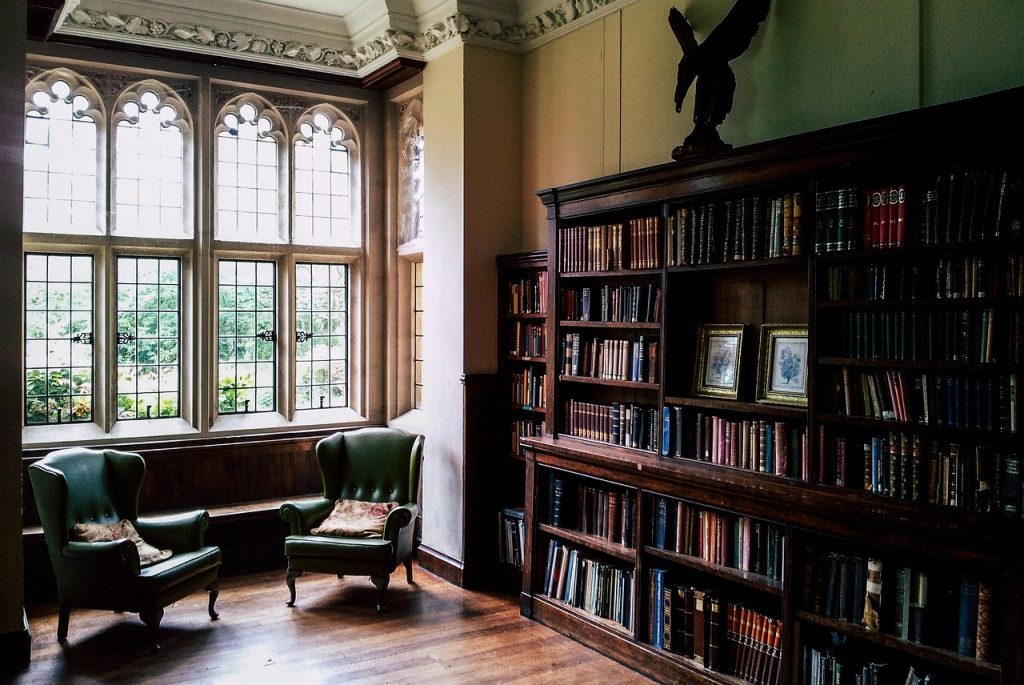
Stepping into a Victorian style living room feels a bit like traveling back in time. You are immediately surrounded by rich wood tones, layered textiles, and walls that tell a story through intricate architectural details. It is a look defined by drama, comfort, and an appreciation for craftsmanship. Every corner presents an opportunity to showcase unique decorative arts, tactile fabrics, and heirlooms that spark interesting conversations during gatherings.
Creating this aesthetic in a modern home might seem intimidating at first glance. However, you do not need a historic mansion to pull it off. By focusing on the right balance of antiques, architectural moldings, and thoughtful color choices, you can build a space that feels both authentic and entirely livable. Modernizing the approach simply means editing your collection so the room feels curated rather than cluttered, blending historic gravity with contemporary ease of living.
The Foundations: Architectural Moldings and Walls
Every great room starts with its architecture. During the nineteenth century, walls were rarely left plain. Instead, they served as a canvas for decorative plasterwork, wainscoting, and heavy baseboards. If your home lacks these original features, you can easily install them yourself or hire a carpenter to add instant character. Investing in these foundational elements fundamentally alters the proportions of a standard drywall room, giving it the gravitas typical of historic estates.
Crown molding and picture rails are two essential elements for a victorian style living room. They draw the eye upward and break up vertical wall space. Consider painting your moldings in a contrasting cream or dark wood finish to make them pop against patterned wallpaper or rich wall colors. You can also explore medallion centerpieces on the ceiling to anchor antique brass chandeliers, drawing even more attention to the vertical height of the space.
- Install deep crown molding around the ceiling perimeter to create immediate architectural weight and historic proportion, visually elevating standard ceiling heights.
- Use picture rails a foot or two below the ceiling to hang artwork authentically without damaging your plaster, allowing for flexible gallery displays.
- Add lower wall wainscoting or beadboard to introduce texture and protect high-traffic walls from scuffs and bumps while anchoring heavy furniture pieces.
- Incorporate ceiling medallions made of plaster or lightweight polyurethane around light fixtures to enhance historical authenticity and ceiling dimension.
Choosing the Right Color Palette
Forget the stark white minimalism of modern apartments. Traditional nineteenth-century interiors embraced moody, saturated hues that absorbed candlelight and gas lamps. Jewel tones like emerald green, deep burgundy, sapphire blue, and rich mustard yellow create an intimate atmosphere. These colors create a cocoon-like effect that feels deeply comforting during colder months and provides a striking backdrop for gilded frames and polished wood.
You do not have to paint every wall a dark shade if your room lacks natural light. Instead, use a moody accent wall behind your main seating area. Pair darker walls with lighter ceiling paint to keep the room feeling tall and open rather than cramped. Consider introducing traditional damask or floral patterned wallpapers, which were wildly popular during the period and add instant historical pedigree to an otherwise blank room.
- Test paint swatches directly on your walls and observe how they change from morning sunlight to evening lamp glow, ensuring the undertones complement your furniture.
- Incorporate rich jewel tones through upholstery, heavy drapery, and decorative accent pieces rather than just wall paint for maximum flexibility and texture.
- Keep ceilings a soft, warm cream or subtle off-white to reflect light downward and maintain a balanced visual weight in rooms with limited natural illumination.
- Experiment with historic wallpaper reproductions featuring embossed textures or metallic gold accents to mimic the luxury of Victorian parlor walls.
Furniture: Antiques and Statement Seating
Furniture in a traditional nineteenth-century setting was built for comfort, conversation, and display. Look for carved wooden frames, button-tufted upholstery, and cabriole legs. You do not need an entire matching suite; in fact, mixing different wood grains and upholstered pieces looks much more authentic. Homes of that era evolved over decades, accumulating varied pieces that reflected the personal travels and changing tastes of the household.
A proper victorian style living room typically features a statement sofa, such as a camelback or a velvet Chesterfield. Flank this centerpiece with carved armchairs and a heavy wooden coffee table or ottoman. The goal is to create cozy conversation clusters where guests can sit comfortably for hours. Position seating to encourage face-to-face dialogue rather than focusing solely on a television screen, honoring the original social purpose of the parlor.
- Hunt for solid wood antique tables featuring intricate hand-carved floral or geometric details along the apron and legs to serve as conversation anchors.
- Invest in statement seating upholstered in durable velvet, damask, or brocade fabrics to anchor the room layout and provide luxurious tactile appeal.
- Avoid matching furniture sets; instead, curate individual antique and vintage finds over time for a collected-over-years look that tells a personal story.
- Include a fainting couch or chaise lounge positioned near a window to add authentic period-specific functionality and elegant silhouette variation.
Textiles, Layering, and Lighting
Layering is the secret weapon of traditional interior design. Bare floors and minimalist windows simply will not work here. Start from the ground up with a patterned wool or oriental rug that ties your color palette together. Layer smaller accent rugs or animal-friendly faux hides over neutral carpets to add plushness underfoot and delineate specific functional zones within a larger living space.
Windows demand heavy drapery. Layer sheer lace panels under thick velvet or damask curtains with tasseled tiebacks. When evening arrives, lighting becomes crucial. Avoid harsh overhead fixtures in favor of table lamps with fringe shades, floor lamps with brass details, and plenty of flickering candles to cast a warm, inviting glow. Dimmer switches are essential modern additions that allow you to replicate the soft, flickering illumination of historical oil lamps and gaslight.
Frequently Asked Questions
How do I make a Victorian living room look modern?
Balance heavy antiques with simpler modern lines, keep floors exposed if they are hardwood, and use a curated edit of decorative objects rather than cluttering every surface. Allowing breathing room around your statement furniture prevents the space from feeling claustrophobic.
What colors are most authentic for this decor style?
Deep jewel tones like burgundy, forest green, navy, and rich ochre dominated the era, often paired with earthy browns and warm creams. These shades were achieved through advances in synthetic aniline dyes, which revolutionized interior decorating during the late nineteenth century.
Can I mix different wood finishes?
Yes. Nineteenth-century homes often featured a mix of mahogany, walnut, and oak furniture gathered over generations. The natural variations in wood grain add warmth and depth, preventing the interior from looking like a flat showroom.
Embrace the process of collecting vintage treasures and architectural details at your own pace. Your finished space will reward your patience with unmatched warmth, beauty, and historic charm.